

Pride Merchandise Custom Needs: A 2026 Guide
Table of Contents
- Why Pride Merchandise Custom Needs Are Growing
- What to Look for When Sourcing Pride Merchandise
- Custom Screen Printing for Local Events
- Small Batch Pride Apparel: No Minimums Needed
- Design Tips for Authentic LGBTQ+ Branding
- Vetting Ethical and Sustainable Production
- Common Mistakes to Avoid When Ordering
- Conclusion: Start Your Pride Merchandise Project
- Frequently Asked Questions
Last Updated: September 9, 2026
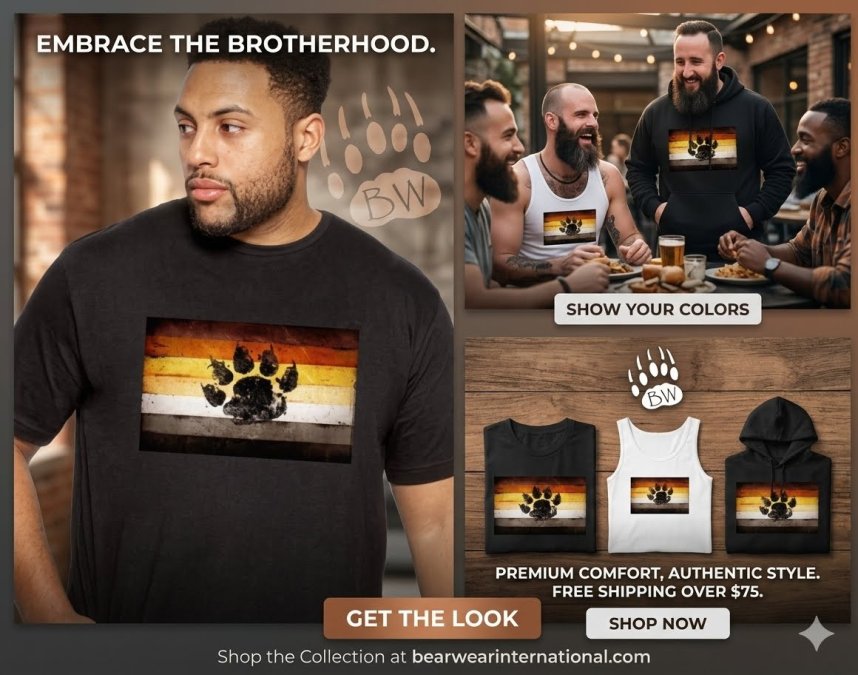
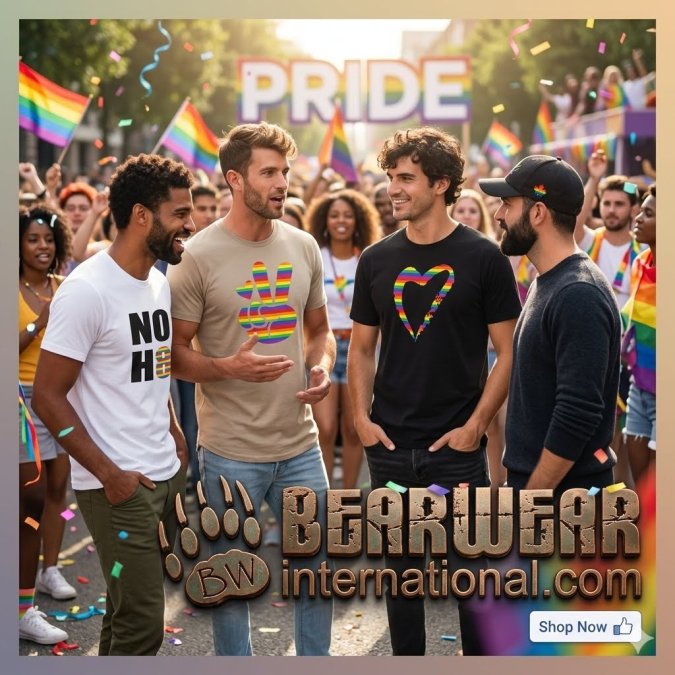
Pride season planning rarely goes as smoothly as the inspiration boards suggest. Groups, small businesses, and event organizers all discover that the ability to accommodate custom needs for pride merchandise separates a successful campaign from a stressful one. At BearWear International, we handle these requests daily, and this guide breaks down how to source, design, and order custom pride apparel without the usual headaches.
CUSTOM T-Shirt - One Colour Print (One Design) - 1 - 11 Pieces
The most important lesson first: your pride merchandise custom needs are entirely manageable when you work with a printer that offers flexible order sizes and direct communication. Below, we'll walk through what to look for, how to design authentically, and the common mistakes that derail otherwise good orders.
Why Pride Merchandise Custom Needs Are Growing
Community expectations have shifted. Generic rainbow products no longer resonate the way they once did. People want apparel that reflects specific identities, inside jokes, local pride events, and the visual language of their own subculture.
What most guides miss is that this isn't just about aesthetics. Custom apparel functions as a visibility tool, a fundraiser, and a team uniform all at once. A group marching together in coordinated shirts creates a visual statement that scattered individual outfits cannot match. The Canada Pride events calendar and community resources show hundreds of local celebrations annually, each one representing a need for identity-focused apparel that reflects that specific community.
CUSTOM - Picture On a T-Shirt
What to Look for When Sourcing Pride Merchandise
Most sourcing guides stop at vague advice like "find a printer you trust." That does not survive contact with a real deadline. The ability to accommodate custom needs for pride merchandise comes down to four verifiable factors: production method transparency, file review policies, order size flexibility, and turnaround commitments.
Production Method Transparency
The first question to ask is not "what do you charge" but "how do you print?" The answer determines your design constraints and your per-unit economics. Two methods dominate small-batch pride apparel:
- Vinyl heat transfer: Each design is cut from colored vinyl and heat-pressed onto the garment. This method has no setup fee, handles full-color designs without extra cost, and works for orders as small as one piece. The trade-off is that fine details below approximately 3 millimeters may not cut cleanly, so intricate linework can lose definition.
- Screen printing: Ink is pushed through a mesh stencil. The setup cost is real; each color in your design requires its own screen, but the per-unit cost drops sharply once you exceed roughly fifty identical pieces. If your design has five colors and you need twenty shirts, the screen setup gets amortized across a small run, which inflates the unit price.
A provider that only offers one method is not accommodating your needs; they are fitting your project into their workflow. The right partner will tell you which method suits your order size and design complexity.
File Review and Technical Requirements
The single most common project killer is a design file that looks fine on screen but cannot be printed. Before ordering, ask the provider directly: "Do you review my file before you charge me?"
A provider that accommodates custom needs will offer a pre-production file check. That review should cover three specific technical points:
- Resolution: Raster images should be at least 150 DPI at the final print size. Anything less will look soft or pixelated on fabric.
- Fonts: Text must be converted to outlines or curves. If fonts remain embedded, the printer's system may substitute a different typeface, shifting your layout.
- Color space: Designs should be submitted in RGB or CMYK depending on the printer's equipment. A mismatch here is the leading cause of "the color came out wrong" complaints.
If a provider cannot articulate these requirements, or worse, does not check files before production, you are assuming the risk of a failed print run.
Order Size Flexibility and Reorder Paths
Your first order is rarely your last. A pride committee might order twelve shirts for a march, then need forty more when the broader community sees them. Ask whether the provider keeps your design file on record so reorders do not require re-submitting artwork or paying a new setup fee.
If your first batch was vinyl heat transfer and you later need two hundred shirts for a city-wide event, the provider should be able to shift you to screen printing without forcing a redesign.
Turnaround Commitments
Pride events are date-locked. A shirt that arrives the Tuesday after the march is not a shirt you needed. Ask for the provider's standard production time and their policy for urgent orders. A reliable partner will give you a calendar-date commitment, not a vague "two to three weeks." If you are ordering within six weeks of your event, confirm the provider can meet your deadline before you invest time in design work.
CUSTOM - Your Logo/Design On a Teddy
Custom Screen Printing for Local Events
For local pride events, custom screen printing remains a popular choice, but it comes with a catch. Traditional screen printing requires setup that only becomes cost-effective at higher quantities.
If you are ordering fifty or more identical shirts, screen printing delivers excellent per-unit economics. If you are ordering twelve shirts with the same design, you may pay a premium for screen setup that a different method avoids entirely.
Vinyl heat transfer printing solves this problem for smaller runs. The print quality is comparable for most designs, the setup cost is included, and there is no minimum order. For local event organizers who need twenty shirts for volunteers and ten for the core team, this approach keeps costs predictable.
Order Size |
Best Method |
Setup Cost |
Typical Use |
|---|---|---|---|
1-11 pieces |
Vinyl heat transfer |
Included |
Small friend groups, personal shirts |
12-49 pieces |
Vinyl heat transfer |
Included |
Volunteer teams, small nonprofits |
50+ pieces |
Screen printing |
Amortized |
Large events, march contingents |
Small Batch Pride Apparel: No Minimums Needed
The single biggest barrier for most pride merchandise projects is the minimum order requirement. Traditional suppliers want volume commitments that small groups simply cannot meet.
A common approach among community organizers is ordering just enough for the core team, then letting individual members purchase their own additional shirts later. This works when your supplier offers true no-minimum production.
Ordering eight to ten pieces without a minimum does not inflate the per-unit cost the way many people fear. The price stays reasonable because the production method is designed for short runs.
Design Tips for Authentic LGBTQ+ Branding
Authentic design starts with representation, not decoration. The most successful pride merchandise reflects the actual community it serves, including specific identities, flag variations, and cultural references that signal genuine understanding. But authenticity also has a technical dimension: accessibility and wearability.
Designing for Sensory Comfort and Fit
The LGBTQ+ community includes a significant number of neurodivergent individuals and people with sensory processing differences. For them, a design that looks great on a hanger can be unwearable in practice.
Consider these factors when selecting garments and prints:
- Fabric weight and hand-feel: Heavy 6.5 oz cotton feels sturdy but can be abrasive against sensitive skin. A lighter 4.5 oz combed cotton or a cotton-poly blend offers a softer hand-feel that is more comfortable for all-day wear at a pride event.
- Neckline and tag construction: Tags that scratch are a common complaint. Look for garments with tear-away labels or printed neck labels. If you are ordering for a group, ask whether the provider stocks tagless options.
- Print placement and texture: A large chest print that extends into the underarm area can create stiffness where the fabric needs to flex. Keeping prints within the central chest panel, roughly six to eight inches below the collar, preserves breathability and movement. Vinyl heat transfer prints have a slight texture; screen-printed plastisol inks sit flatter against the skin.
Inclusive Sizing as a Design Decision
Inclusive sizing is not just about offering a range of sizes; it is about how the design scales across that range. A design that looks balanced on a size Small can look lost on a 3XL.
Work with your provider on print dimensions per size block. A common approach is to use three size groupings: Small-Medium, Large-XL, and 2XL-4XL. Each group gets a slightly different print width so the design maintains visual balance across body types.
Design Elements That Signal Authenticity
Beyond technical considerations, the design itself should reflect genuine community knowledge. Patterns that resonate include:
- Specific flag variations: The rainbow flag is a starting point, but the transgender flag, lesbian flag, bisexual flag, and genderqueer flag each carry distinct meanings. Using the correct color values for these flags matters; a washed-out or incorrectly shaded flag reads as inauthentic to those who know it well.
- In-group references: Humor and references that acknowledge the community's history and culture create a sense of belonging. BearWear International carries many fun, unique, and original Gay Bear and LGBTQ designs that demonstrate how specific these references can be while remaining wearable.
- Subtle markers: Not everyone wants a bold statement. Small chest logos, inside-collar prints, or designs on the back that are visible only when the wearer turns around offer discretion for those who need it.
Contrast and Readability at a Distance
Pride merchandise is often worn at events where visibility matters, on a parade route, in a crowd, or across a festival ground. High contrast between the design and the garment color ensures readability from a distance.
Test your design at thumbnail size. If the message is not legible when the image is reduced to the size of a postage stamp, it will not be legible on a shirt seen from twenty feet away.
CUSTOM - Picture On a Teddy
Vetting Ethical and Sustainable Production
Ethical production is no longer a nice-to-have for pride merchandise; it is a core expectation.
Ask direct questions about the supply chain. Where are the blank garments sourced from? Are the printing facilities subject to Canadian labor laws? A provider that prints in-house under Canadian regulations offers more transparency than one that outsources to unknown facilities.
Sustainable fashion considerations extend to garment choice. Pre-shrunk cotton that lasts years reduces replacement cycles. High-quality prints that do not crack or peel mean the shirt stays wearable longer, keeping it out of landfill.
Common Mistakes to Avoid When Ordering
The most common mistake is submitting a design file that is not print-ready. Low-resolution images, embedded fonts, and incorrect color profiles all cause delays or disappointing results. Check whether your provider offers guidance on technical requirements.
Color mismatch surprises another set of customers. What you see on a backlit monitor rarely matches printed fabric exactly. Ask your provider about color expectations upfront and trust their guidance on what will actually work.
Shipping costs catch international buyers off guard. If you are ordering from outside the provider's home country, confirm shipping costs before committing.
Conclusion: Start Your Pride Merchandise Project
Planning pride merchandise should feel exciting, not overwhelming. The ability to accommodate custom needs for pride merchandise exists, and finding the right partner makes the entire process straightforward.
BearWear International designs and prints all apparel in-house, offering unique and original designs alongside full customization for your specific needs. Whether you need a single custom t-shirt or a bulk order with discounted pricing, the process starts the same way: with your design idea and a conversation about what you need.
Frequently Asked Questions
What is custom merchandise for Pride events?
Custom merchandise for Pride events includes t-shirts, hoodies, caps, and accessories printed with original designs or your own logos. The pride merchandise custom needs of groups often involve specific colors, inclusive sizing, and messages that reflect their community. Working with a printer that offers in-house design and production helps ensure your order matches your vision, whether you need a single item or a small batch for your team.
Can you order small batch pride apparel without high costs?
Yes. Many groups need small batch pride apparel because they have teams of 8 to 10 people, not hundreds. Look for a provider that has no minimum order and offers bulk order discounts for larger quantities. This approach lets nonprofits and small community groups get quality items without paying for hundreds of pieces they do not need. On-demand production means you only pay for what you actually order.
What should you look for when sourcing Pride merchandise?
Focus on print quality, turnaround time, and how well the provider communicates. Ask about the printing method and whether the design will last through regular washing. For custom screen printing for local events, confirm the provider can handle your timeline and file format. Also ask about setup fees and what is included in the price so you do not face surprise charges on your invoice.
Why is it important to choose original designs for Pride events?
Original designs show authentic community representation rather than generic mass-produced imagery. When your pride merchandise custom needs include a specific slogan or visual identity, a printer that creates and prints in-house can help you refine your idea. This creative collaboration results in items that feel personal and meaningful for your group, strengthening your brand identity and supporting the community you serve.